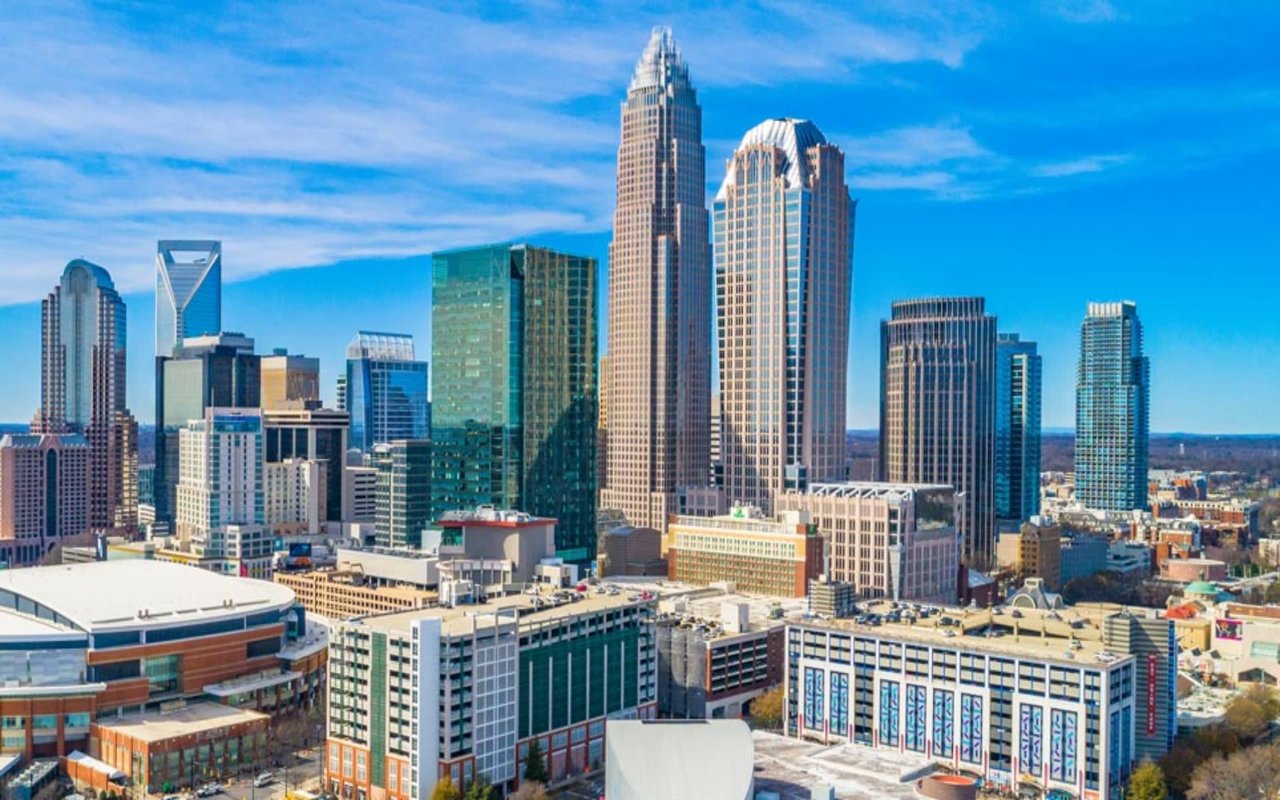
Located in the heart of Charlotte, North Carolina, Uptown is the city's central business, residential, cultural, and entertainment district.
Uptown Charlotte is known for its distinctive skyline, historic neighborhoods, professional sports venues, museums, restaurants, public parks, and convenient transportation connections.
The district is organized into four wards—First Ward, Second Ward, Third Ward, and Fourth Ward—each offering different residential environments, architectural styles, and local attractions.
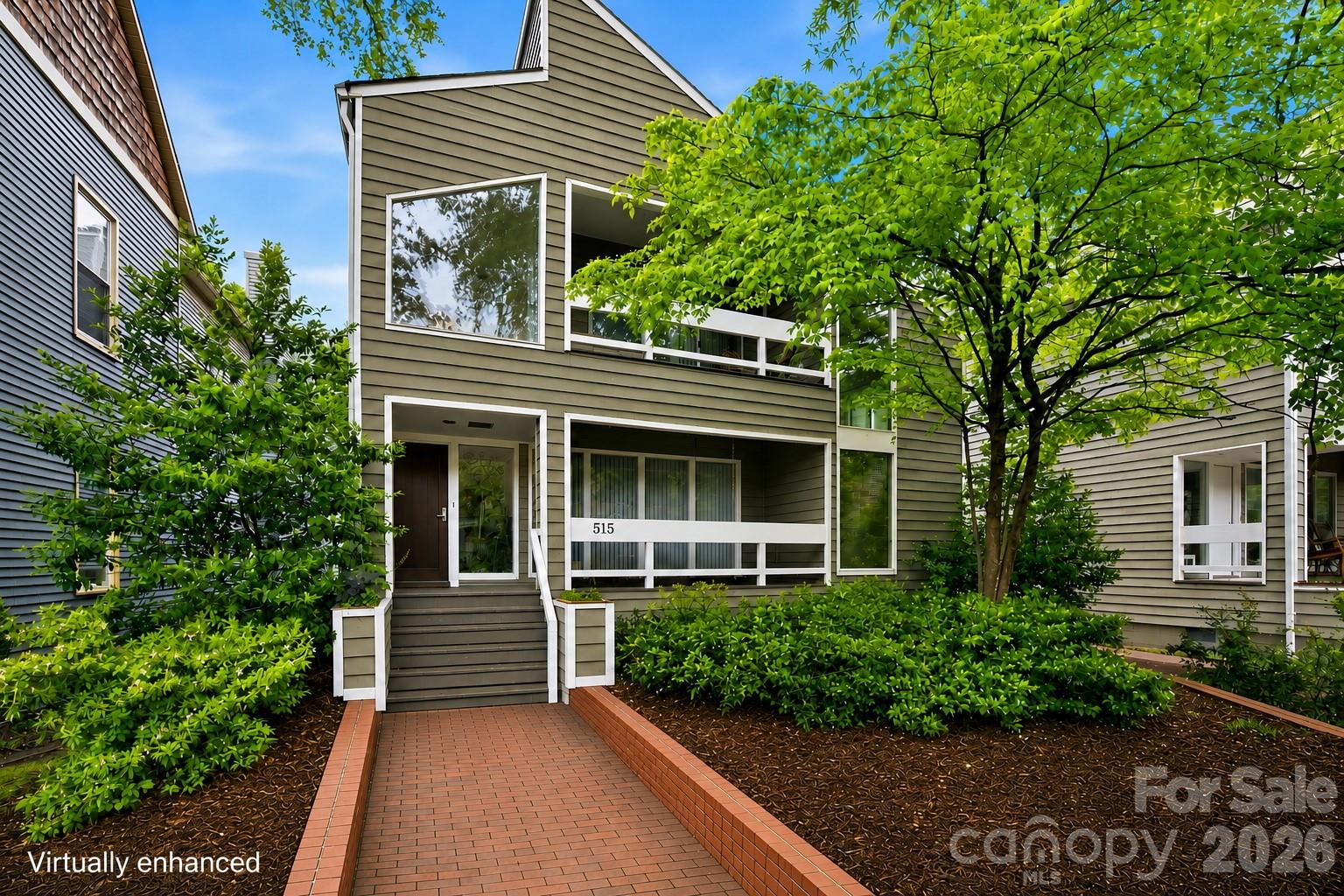
Residential options range from high-rise condominiums with skyline views to traditional townhomes, historic houses, and contemporary residential developments.
Uptown's central location provides access to major employment destinations, cultural institutions, restaurants, sporting events, and public transportation.
For buyers searching for Uptown Charlotte homes for sale, understanding the differences between condominium buildings, residential wards, parking arrangements, and homeowners association requirements is particularly important.
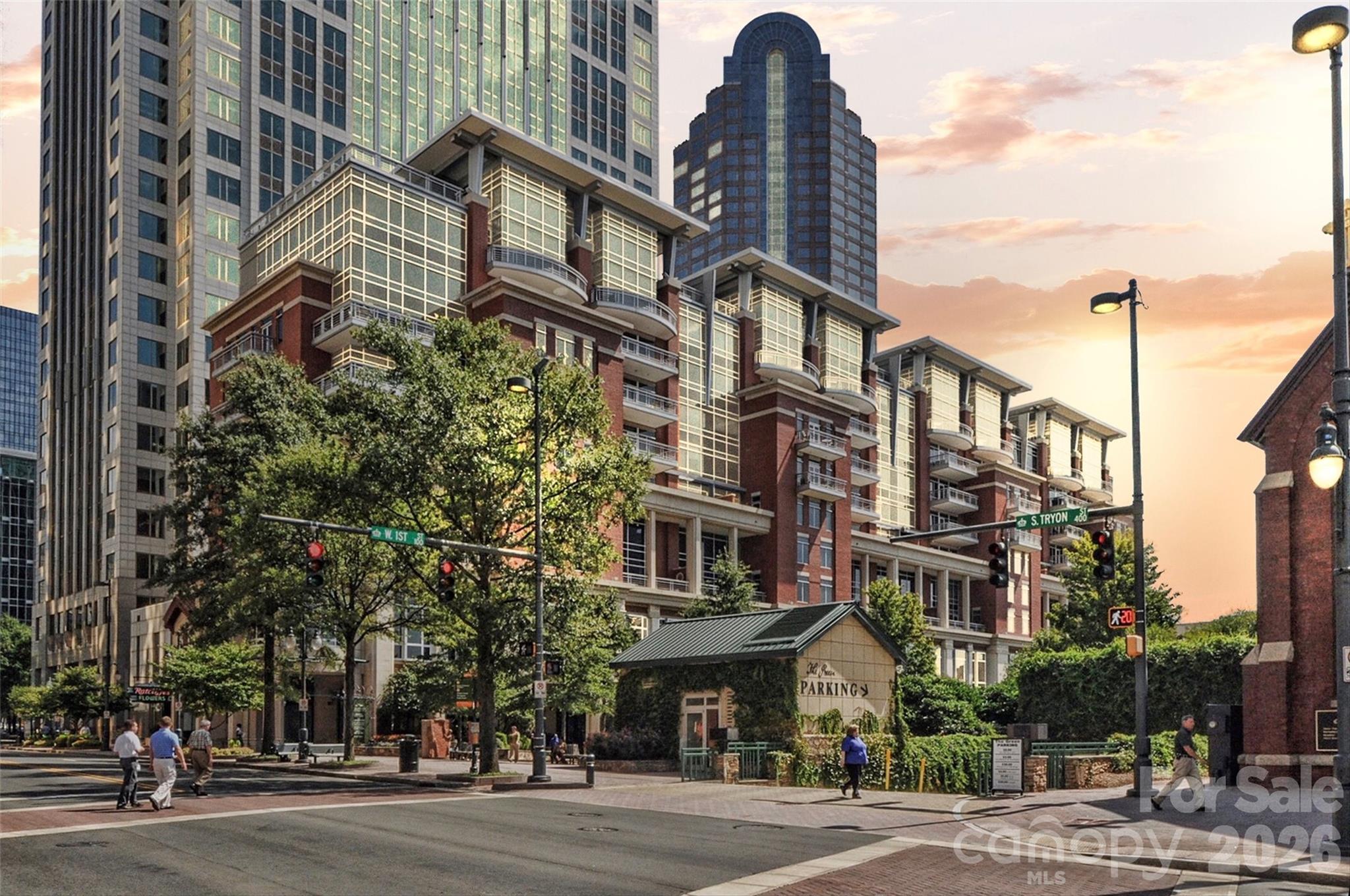
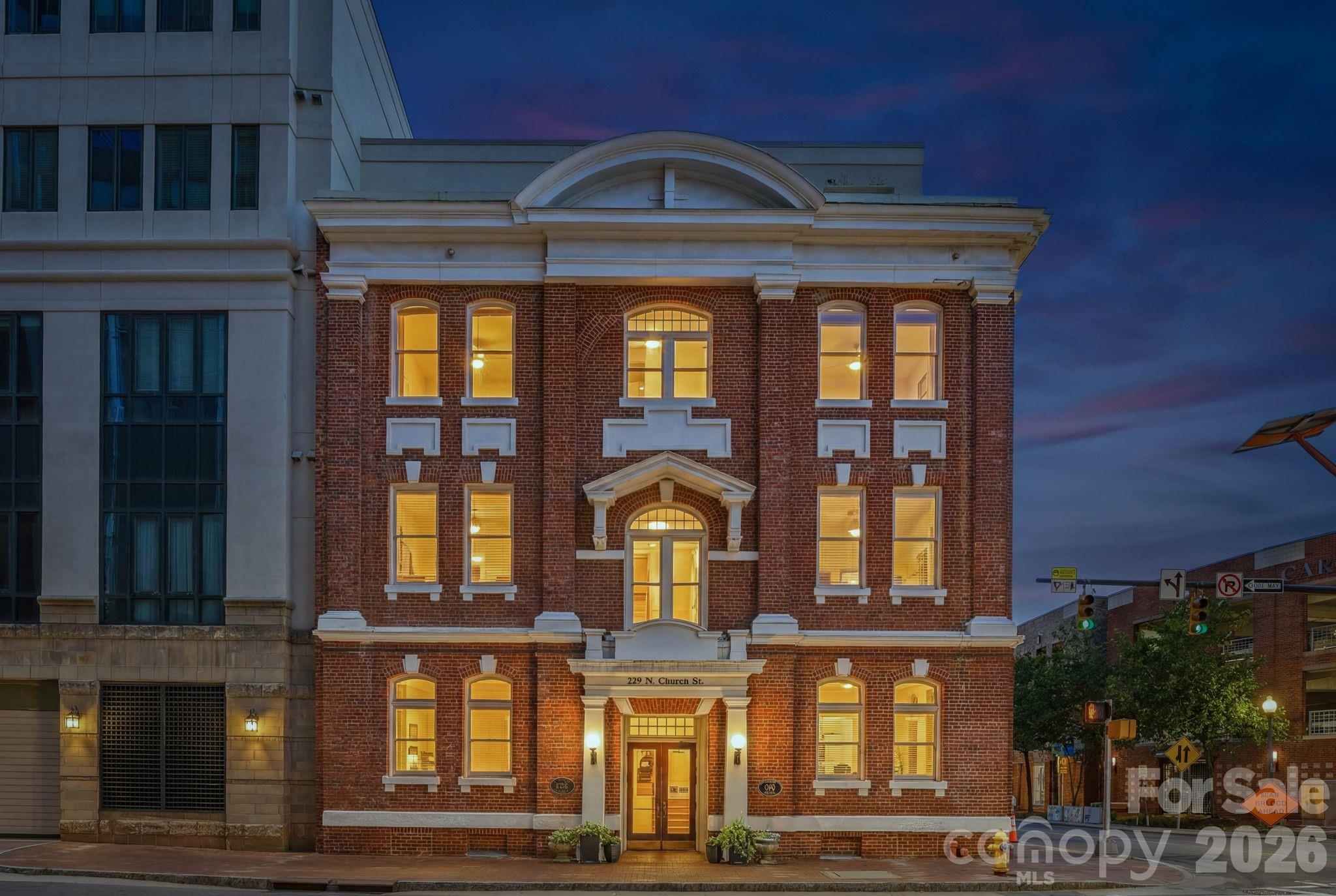
Uptown Charlotte real estate includes high-rise condominiums, loft-style residences, townhomes, historic detached houses, and properties within mixed-use developments.
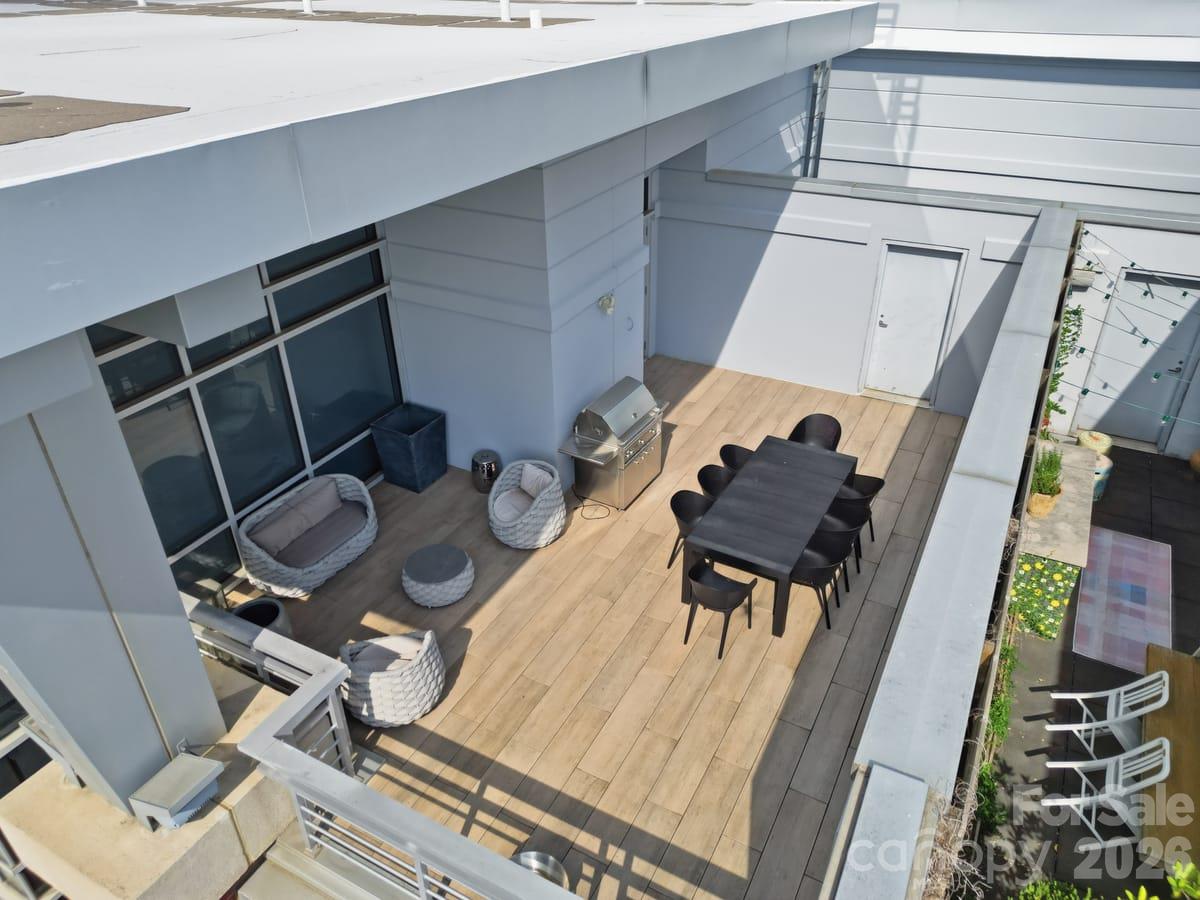
Many residential buildings offer amenities such as secured entrances, fitness facilities, parking structures, rooftop terraces, and shared gathering spaces.
However, building amenities, association fees, maintenance responsibilities, and ownership restrictions vary considerably.
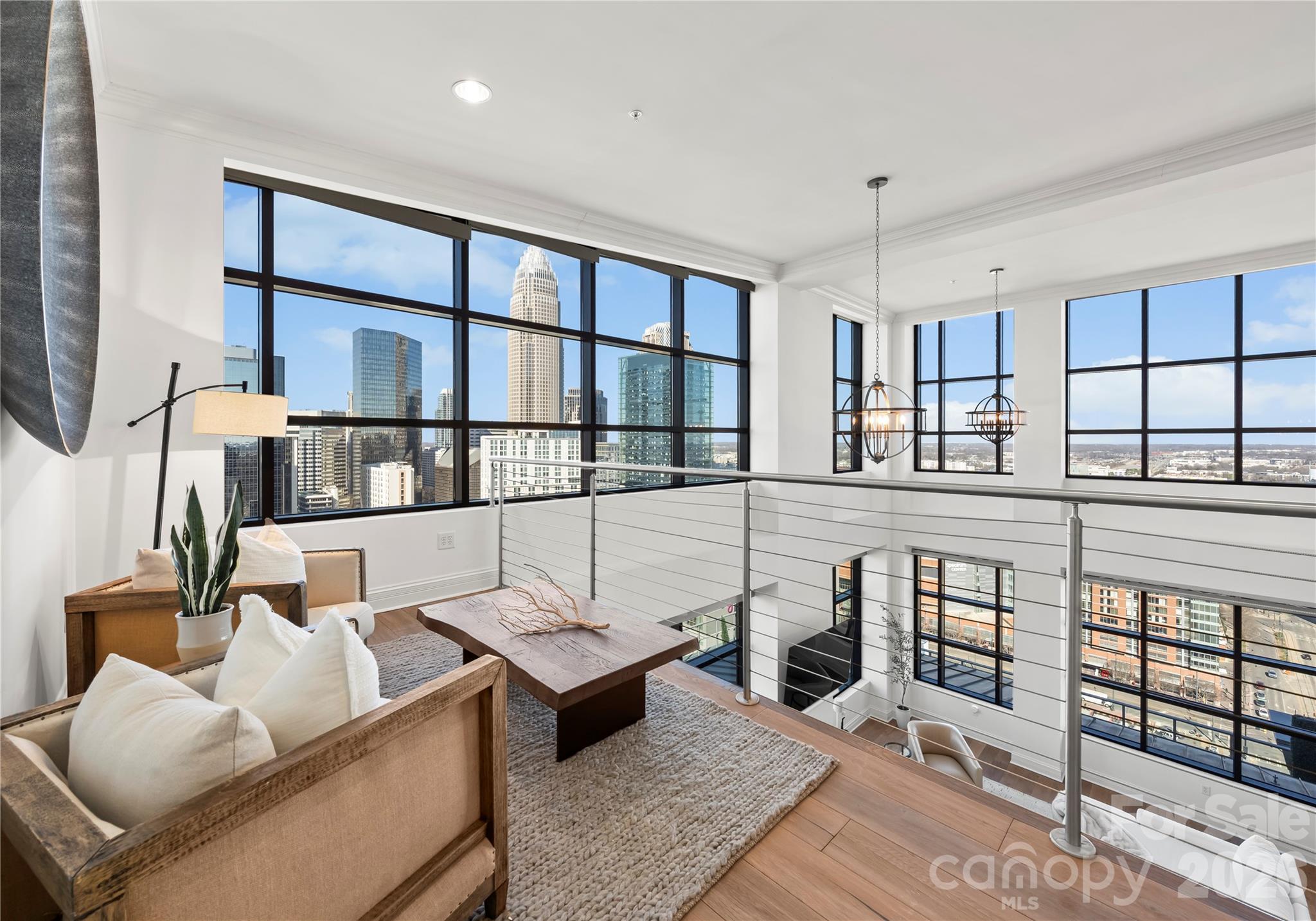
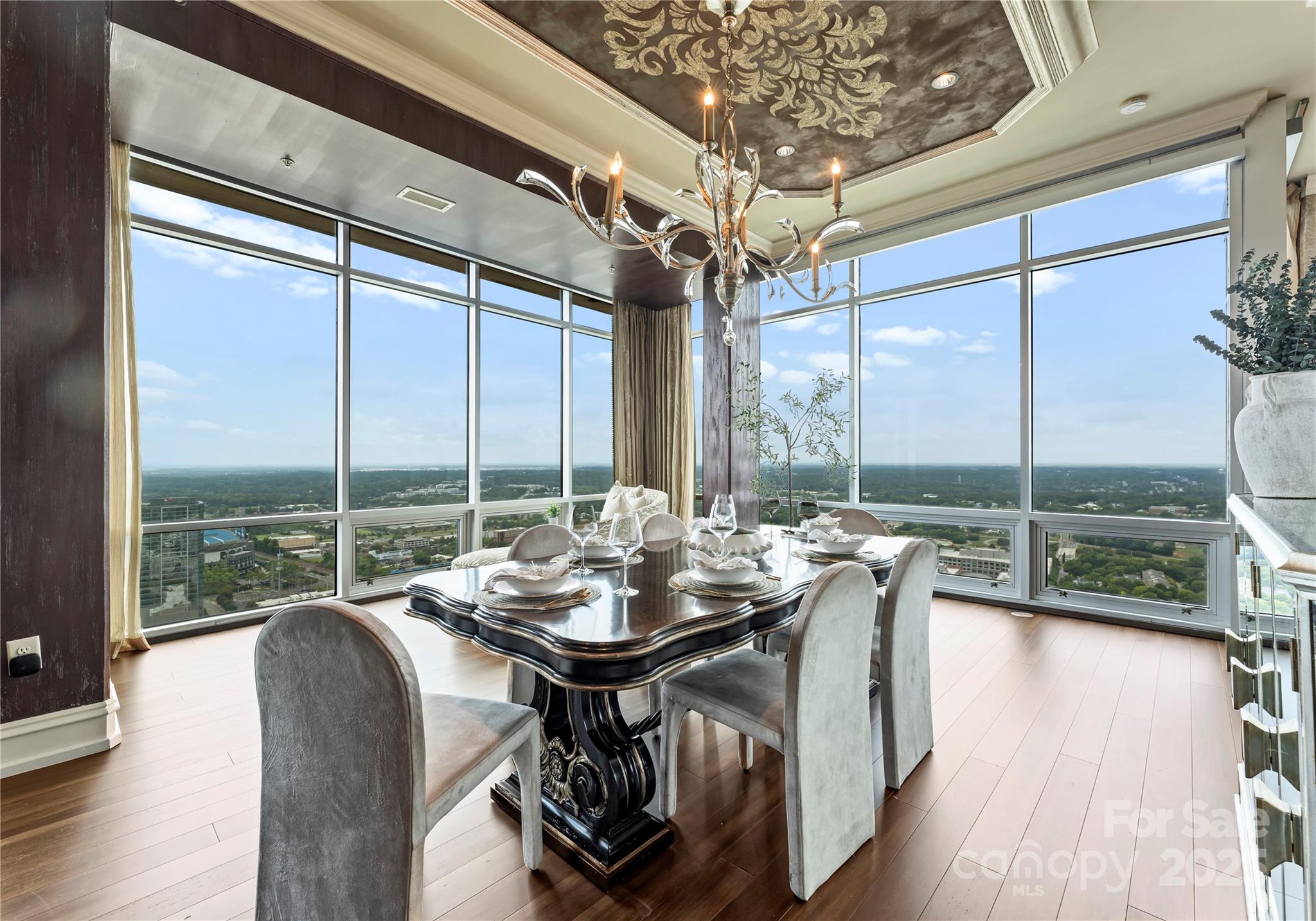
Some condominium properties offer expansive skyline views, balconies, and contemporary interiors.
Other residences provide historic architectural details, more traditional street access, or smaller residential buildings.
Buyers comparing Uptown Charlotte condos for sale should evaluate the individual building and ownership arrangement rather than relying solely on overall Uptown market averages.
Factors such as floor level, parking, building condition, association financial reserves, and potential special assessments can significantly influence ownership costs.
One of Uptown Charlotte's defining characteristics is its organization into four distinct wards.
The intersection of Trade Street and Tryon Street, known as Independence Square, serves as the traditional dividing point between the four wards.
Each section offers its own mixture of residential properties, commercial destinations, public spaces, and historic landmarks.
First Ward occupies the northeastern section of Uptown Charlotte.
The area includes a combination of townhomes, condominiums, apartments, commercial properties, and public gathering spaces.
First Ward Park is one of its most recognizable outdoor destinations, offering open green space, walking paths, and seasonal community activities.
Nearby attractions include the 7th Street Public Market, ImaginOn, UNC Charlotte Center City, and various performing arts venues.
First Ward also provides convenient access to LYNX Blue Line stations and surrounding commercial districts.
Buyers considering First Ward real estate should compare traditional townhome communities with larger condominium and mixed-use developments.
Second Ward is located in the southeastern section of Uptown.
It includes major civic institutions, office buildings, hotels, entertainment destinations, and residential properties.
Prominent attractions include the NASCAR Hall of Fame, Charlotte Convention Center, and The Green, a landscaped urban public space.
Second Ward also contains the Charlotte-Mecklenburg Government Center and other county and city facilities.
Historically, much of Second Ward was home to Brooklyn, an important African American neighborhood that experienced extensive displacement during Charlotte's urban renewal initiatives.
Understanding this history provides context for the area's current commercial and residential development.
Second Ward residences include condominiums and townhomes with varying building amenities and urban surroundings.
Third Ward occupies the southwestern portion of Uptown Charlotte.
The area is home to major sports and entertainment destinations, including Bank of America Stadium, where the Carolina Panthers and Charlotte FC play, and Truist Field, home of the Charlotte Knights.
Romare Bearden Park is another major landmark, offering landscaped green space, public art, fountains, and views of the surrounding skyline.
Third Ward also includes important cultural destinations such as Mint Museum Uptown and the Bechtler Museum of Modern Art.
Residential options include high-rise condominiums, modern townhomes, and selected established homes.
Buyers considering Third Ward should evaluate proximity to sports venues, event-related traffic, parking arrangements, and surrounding commercial activity.
Fourth Ward occupies the northwestern section of Uptown Charlotte.
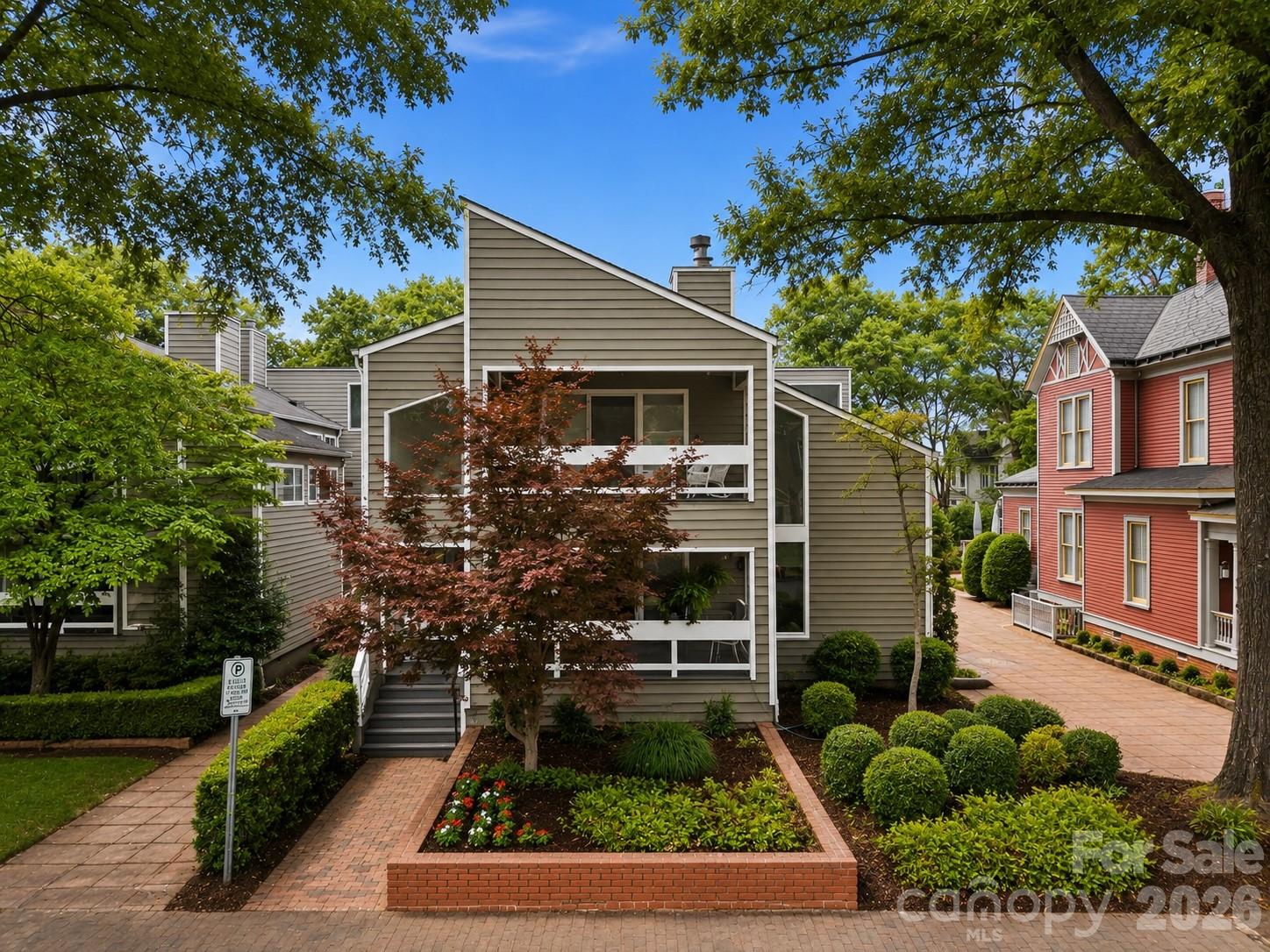
The neighborhood is particularly well known for its historic residential streets, Victorian-era architecture, and preserved homes.
The Fourth Ward Historic District contains houses reflecting Charlotte's late 19th-century development, alongside renovated properties, townhomes, and modern condominium buildings.
Brick sidewalks, mature trees, gardens, and traditional residential architecture contribute to the district's recognizable character.
Fourth Ward Park provides neighborhood green space, while nearby businesses offer restaurants, shopping, and entertainment.
Buyers interested in historic properties should research renovation history, preservation requirements where applicable, and property-specific maintenance considerations.
Learn more about the four wards through Uptown Charlotte's community guide.
Uptown Charlotte contains several important public parks and outdoor gathering places.
Romare Bearden Park, located in Third Ward, is one of the city's most recognizable urban parks.
Named after Charlotte-born artist Romare Bearden, the park features landscaped lawns, fountains, walking paths, and gathering spaces surrounded by the Uptown skyline.
The park is also located near Truist Field and downtown restaurants.
First Ward Park provides additional green space near 7th Street, including lawns, paths, and community gathering areas.
Fourth Ward Park offers another public recreation destination within the historic northwestern part of Uptown.
The Green, located in Second Ward, combines landscaped space and literary-themed public art near the city's cultural institutions.
These parks provide outdoor recreation and public gathering opportunities within the urban center.
Visit Uptown Charlotte's official visitor guide for information about parks, events, and local attractions.
Uptown Charlotte is home to some of the region's best-known cultural destinations.
Mint Museum Uptown presents art and design exhibitions within the Levine Center for the Arts.
The Bechtler Museum of Modern Art features modern artistic collections and traveling exhibitions.
The Harvey B. Gantt Center for African-American Arts + Culture celebrates African American art, history, and cultural expression.
Other major attractions include:
Uptown also hosts festivals, concerts, sporting events, and cultural programming throughout the year.
The concentration of arts and entertainment destinations helps distinguish Uptown from Charlotte's primarily residential neighborhoods.
Professional sports are an important part of Uptown Charlotte's entertainment landscape.
Bank of America Stadium hosts Carolina Panthers football games, Charlotte FC soccer matches, and additional special events.
Truist Field is home to the Charlotte Knights, providing minor league baseball close to Romare Bearden Park.
Spectrum Center hosts Charlotte Hornets basketball games, concerts, and other entertainment events.
These facilities contribute to Uptown's activity throughout the year.
However, nearby residential buildings may experience different traffic, noise, parking demand, and pedestrian activity during major events.
Buyers should consider their preferred surroundings and the location of nearby venues when comparing properties.
Uptown Charlotte is served by the Charlotte Area Transit System, commonly known as CATS.
The LYNX Blue Line provides light rail connections between Uptown, South End, University City, UNC Charlotte, and other destinations.
Stations serving Uptown include:
The CityLYNX Gold Line streetcar provides additional transportation connections through Uptown and toward the Historic West End and Elizabeth.
Major road connections include Interstate 277, Interstate 77, Trade Street, Tryon Street, and surrounding city streets.
Buyers evaluating Uptown real estate should compare actual walking routes, transit schedules, garage access, and parking arrangements.
A residence close to a transit station may offer convenient connections to some destinations, but travel options vary by building and location.
Explore the Charlotte Area Transit System's official rail information.
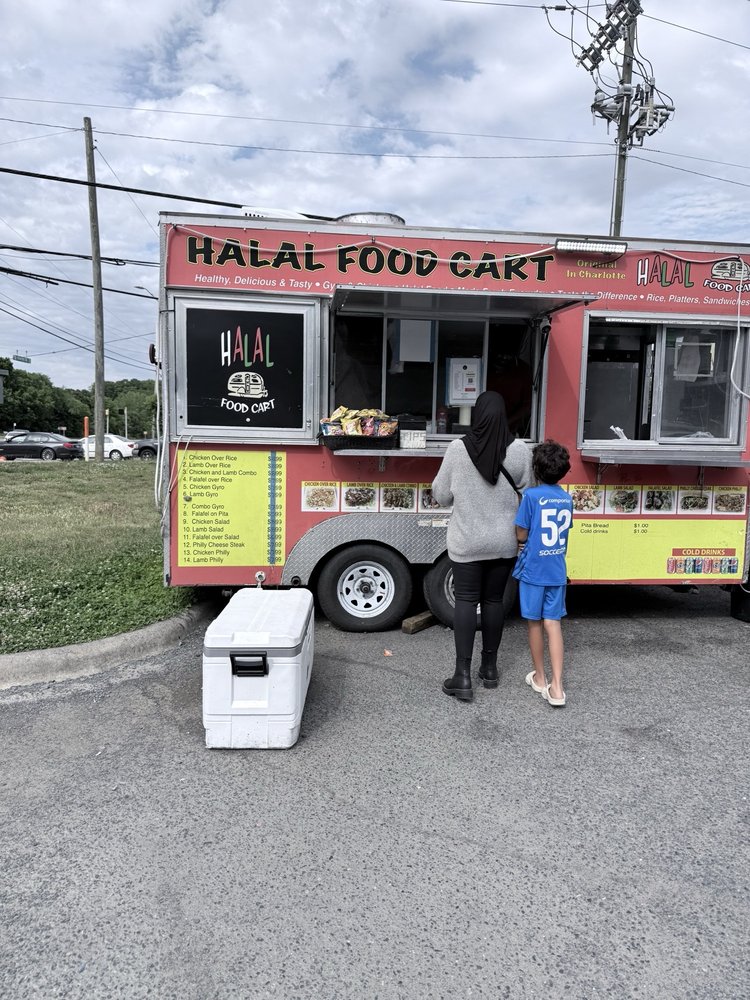
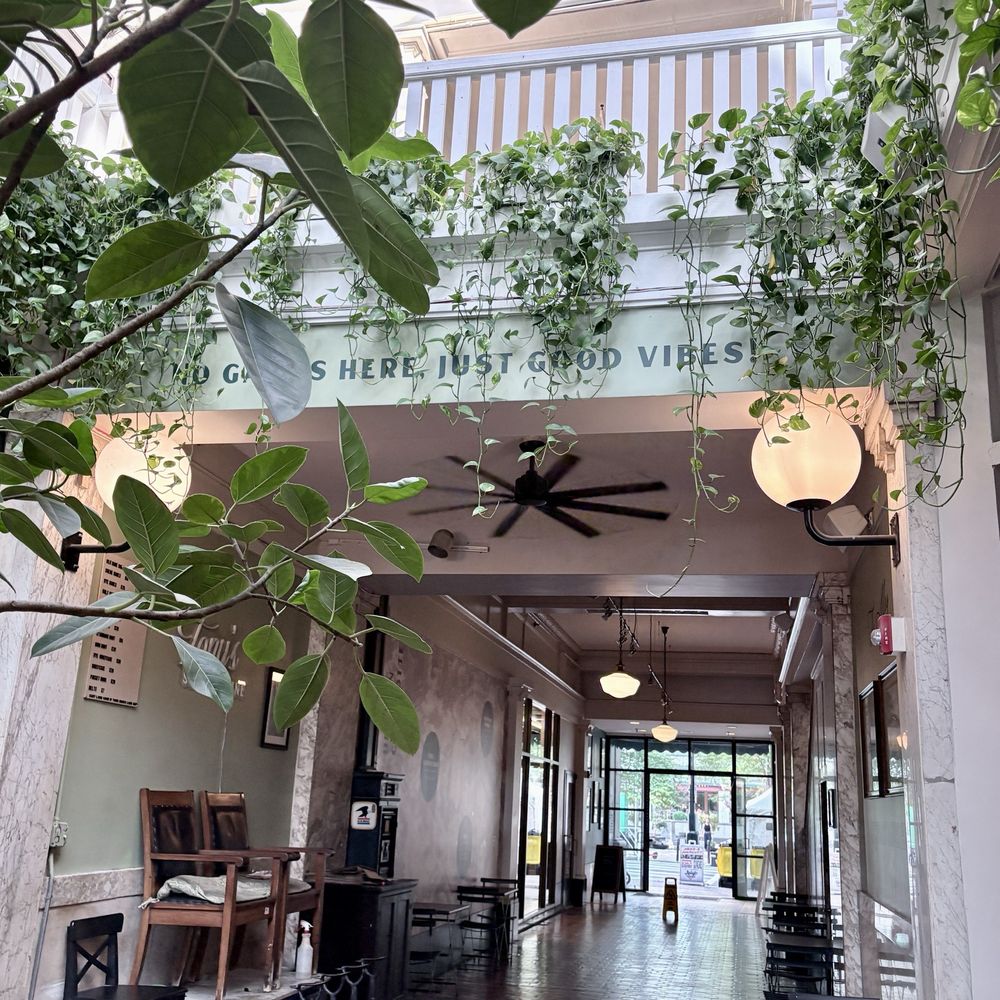
Uptown Charlotte features a wide range of restaurants, cafés, entertainment venues, shops, and professional services.
Tryon Street and Trade Street are two of the district's central commercial corridors.
The area around 7th Street Public Market offers local food and shopping experiences, while other parts of Uptown feature restaurants, hotels, and retail destinations.
Residential buildings may be located near grocery stores, transit stations, parks, or office districts.
However, access to everyday necessities can vary substantially across the four wards.
Buyers should examine the surrounding streets and nearby services when deciding which part of Uptown best suits their needs.
Purchasing real estate in Uptown Charlotte involves considerations that may differ from buying a detached home in a suburban neighborhood.
When comparing Uptown Charlotte homes and condos for sale, consider:
Condominium buyers should review association documents and financial statements carefully.
Recurring association fees, parking expenses, and potential assessments should be considered alongside the purchase price.
Historic homes and townhomes may involve different responsibilities, including exterior maintenance, preservation requirements, and property-specific repair needs.
Selling an Uptown Charlotte property requires understanding the differences between individual condominium buildings, residential wards, and ownership structures.
A high-rise condominium with skyline views may compete with a different group of properties than a historic Fourth Ward residence or a contemporary townhome.
Sellers should emphasize features such as:
For condominiums, recent comparable sales within the same building are often especially useful when evaluating market value.
Differences in floor level, views, parking, association fees, and interior condition can influence buyer comparisons.
Sellers should also prepare accurate information about HOA obligations, assessments, ownership restrictions, and included amenities.
For nearby communities, explore our South End, Dilworth, and NoDa neighborhood guides.
For broader regional market trends, read The Redbud Group's November 2026 Charlotte Housing Market Update.
Uptown Charlotte is the city's central business and entertainment district, generally located within the Interstate 277 loop.
Uptown consists of First Ward, Second Ward, Third Ward, and Fourth Ward. Each section contains different residential properties, attractions, parks, and commercial destinations.
Uptown real estate includes high-rise condominiums, townhomes, loft-style residences, historic houses, and properties within mixed-use developments.
Yes. Uptown contains a variety of condominium buildings offering different layouts, amenities, parking arrangements, views, and association fees.
Yes. Historic Fourth Ward is particularly recognized for Victorian-era houses and established residential architecture.
Yes. The LYNX Blue Line serves several Uptown stations, connecting the district with South End, University City, and other Charlotte destinations.
Romare Bearden Park, First Ward Park, Fourth Ward Park, and The Green are among Uptown's recognizable public green spaces.
The Carolina Panthers, Charlotte FC, Charlotte Hornets, and Charlotte Knights play at venues located in or near Uptown's central districts.
Important considerations include association fees, building financial reserves, insurance, parking, amenities, property condition, rental restrictions, and potential special assessments.
Yes. Uptown is the commonly used local name for Charlotte's downtown district, centered around Trade and Tryon Streets.
Uptown is Charlotte's central business, residential, and cultural district, organized into four wards. South End is an adjacent mixed-use neighborhood to the south, recognized for the Rail Trail, restaurants, converted industrial buildings, and newer residential development.
Whether you're searching for a high-rise condominium with skyline views, exploring historic Fourth Ward homes, comparing townhomes near light rail, or preparing to sell an Uptown property, understanding the local real estate market is essential.
The Redbud Group can help buyers and sellers evaluate building-specific comparable sales, property condition, homeowners association obligations, and neighborhood differences throughout Uptown Charlotte.
Browse Uptown Charlotte homes and condos for sale on this page or connect with The Redbud Group to discuss your real estate plans.
17,260 people live in Uptown Charlotte, where the median age is 31 and the average individual income is $69,260. Data provided by the U.S. Census Bureau.
Total Population
Median Age
Population Density Population Density This is the number of people per square mile in a neighborhood.
Average individual Income
There's plenty to do around Uptown Charlotte, including shopping, dining, nightlife, parks, and more. Data provided by Walk Score and Yelp.
Explore popular things to do in the area, including Dolcezza, I Stream Of Yogurt, and DaddyMick’s Kitchen.
| Name | Category | Distance | Reviews |
Ratings by
Yelp
|
|---|---|---|---|---|
| Dining | 0.01 miles | 0 reviews | 0/5 stars | |
| Dining | 0.01 miles | 2 reviews | 5/5 stars | |
| Dining | 0.01 miles | 0 reviews | 0/5 stars | |
| Dining | 0.01 miles | 0 reviews | 0/5 stars | |
| Dining | 0.1 miles | 0 reviews | 0/5 stars | |
| Dining | 0.1 miles | 3 reviews | 1/5 stars | |
| Dining | 0.16 miles | 9 reviews | 3.6/5 stars | |
| Dining | 0.22 miles | 0 reviews | 0/5 stars | |
| Dining | 0.34 miles | 0 reviews | 0/5 stars | |
| Dining | 0.34 miles | 1 review | 5/5 stars | |
| Shopping | 0.13 miles | 0 reviews | 0/5 stars | |
| Shopping | 0.19 miles | 12 reviews | 4.3/5 stars | |
| Active | 0.1 miles | 1 review | 2/5 stars | |
| Active | 0.22 miles | 0 reviews | 0/5 stars | |
| Active | 0.25 miles | 0 reviews | 0/5 stars | |
| Nightlife | 0.18 miles | 25 reviews | 2.7/5 stars | |
| Nightlife | 0.23 miles | 57 reviews | 3.4/5 stars | |
| Beauty | 0.01 miles | 0 reviews | 0/5 stars | |
| Beauty | 0.01 miles | 0 reviews | 0/5 stars | |
| Beauty | 0.1 miles | 0 reviews | 0/5 stars | |
| Beauty | 0.1 miles | 0 reviews | 0/5 stars | |
| Beauty | 0.25 miles | 0 reviews | 0/5 stars | |
| Beauty | 0.34 miles | 0 reviews | 0/5 stars | |
|
|
||||
|
|
||||
|
|
||||
|
|
||||
|
|
||||
|
|
Uptown Charlotte has 9,809 households, with an average household size of 1. Data provided by the U.S. Census Bureau. Here’s what the people living in Uptown Charlotte do for work — and how long it takes them to get there. Data provided by the U.S. Census Bureau. 17,260 people call Uptown Charlotte home. The population density is 13,981 and the largest age group is Data provided by the U.S. Census Bureau.
Total Population
Population Density Population Density This is the number of people per square mile in a neighborhood.
Median Age
Men vs Women
Population by Age Group
0-9 Years
10-17 Years
18-24 Years
25-64 Years
65-74 Years
75+ Years
Education Level
Total Households
Average Household Size
Average individual Income
Households with Children
With Children:
Without Children:
Marital Status
Blue vs White Collar Workers
Blue Collar:
White Collar: